



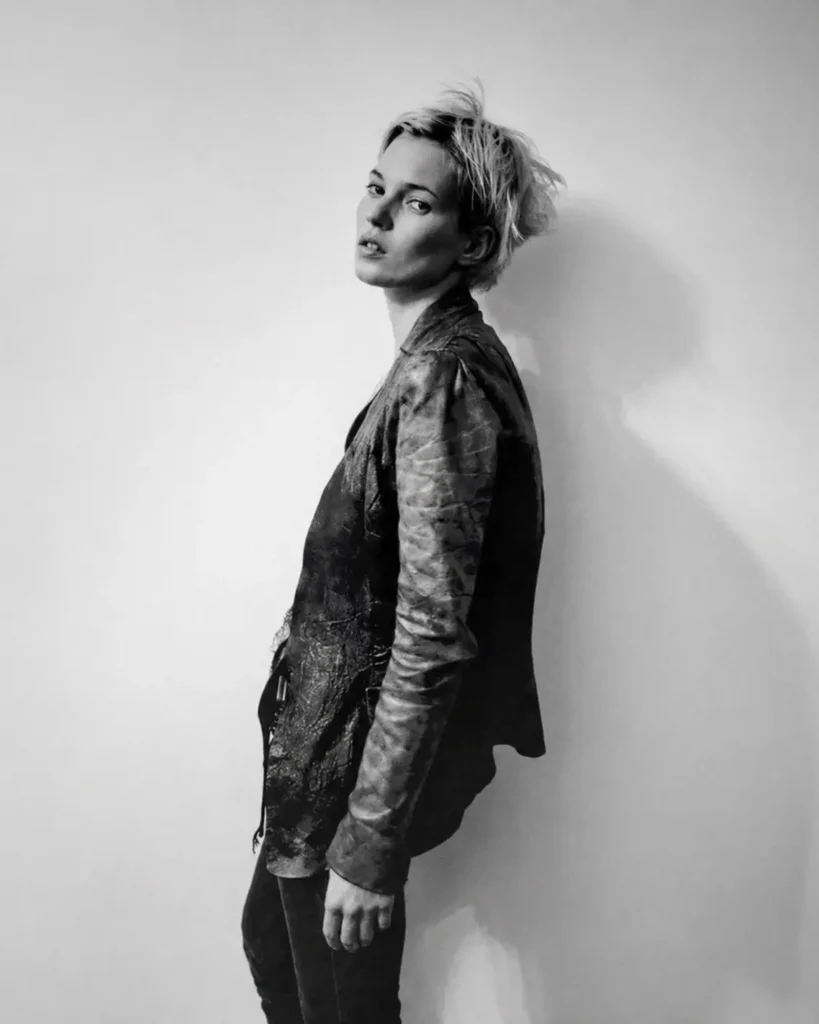
What I like most about the Times‘s 25 photographs that changed fashion is how quickly it stops being about fashion photographs in any strict sense. There’s Brooke Shields for Calvin Klein, sure. But then suddenly Patti Smith on the cover of Horses, Grace Jones on Nightclubbing, Andy Warhol’s Polaroid of Basquiat, Goldin, Arbus, Frank. That’s not a list so much as an invitation. Walk through that door and the question shifts. Not what belongs, but how photographs teach us to see.
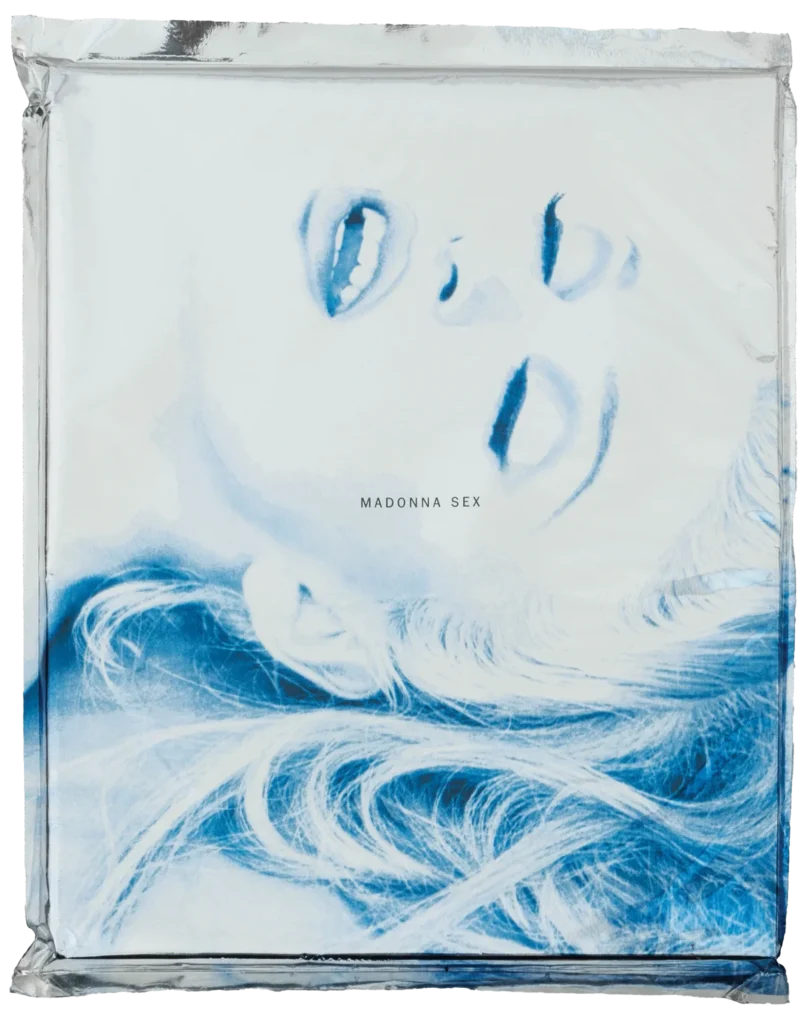
If Mapplethorpe’s Patti Smith fits, then so does Madonna and Steven Meisel’s Sex. Not just for the outrage, but for the way it turned image, commerce, and self-invention into one thing.
Tom Ford understood a similar idea. Flesh, gloss, a bottle. Desire distilled to an image where the clothes simply vanish. Toscani’s Benetton, which the piece raises but doesn’t list, went the other direction. No clothes, but politics. Whether you call that radical or cynical, it redrew what an advertisement could be.
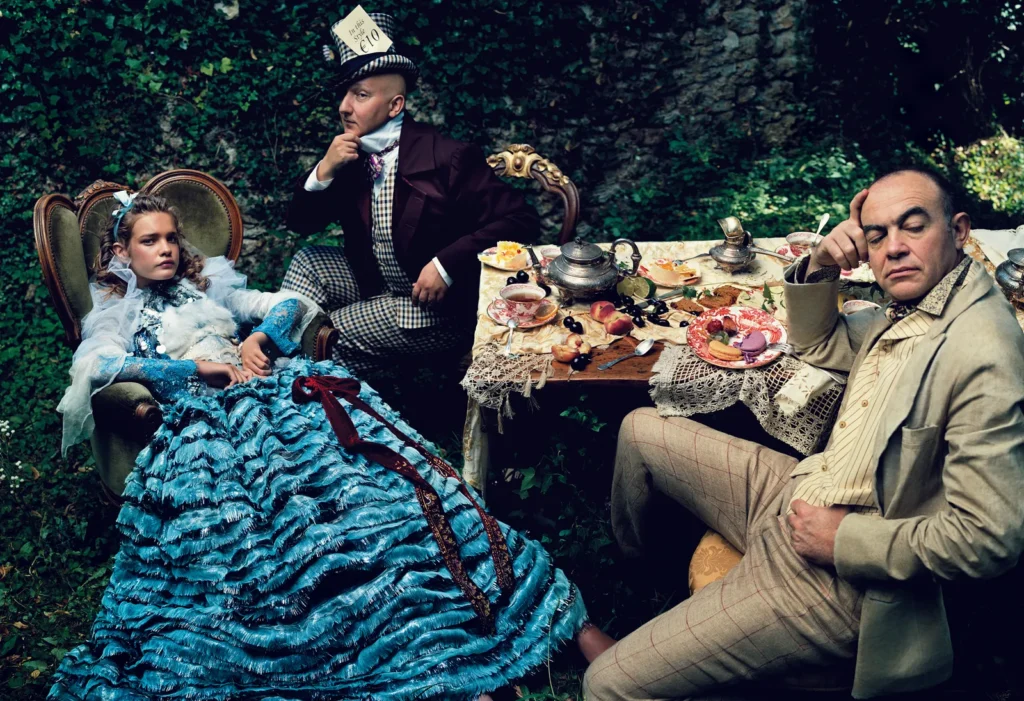
And influence isn’t always provocation. Sometimes it’s fantasy. Annie Leibovitz and Grace Coddington’s “Alice in Wonderland” for Vogue still feels wild, designers as characters, clothes as costume, a season as a universe.
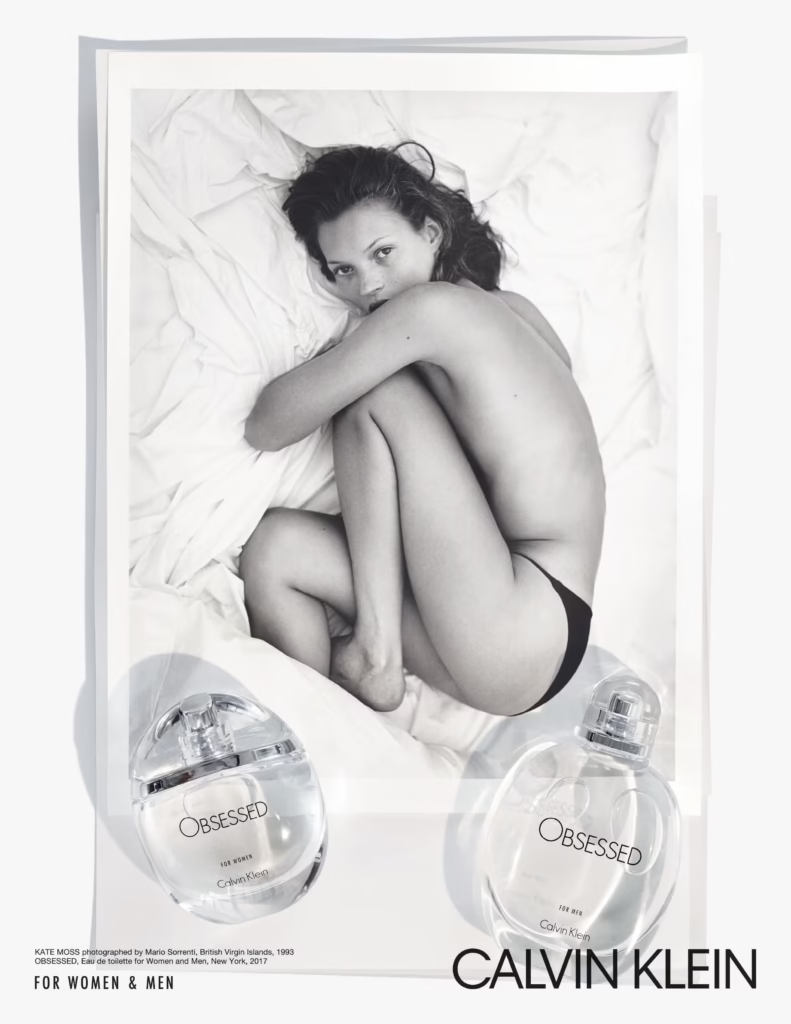
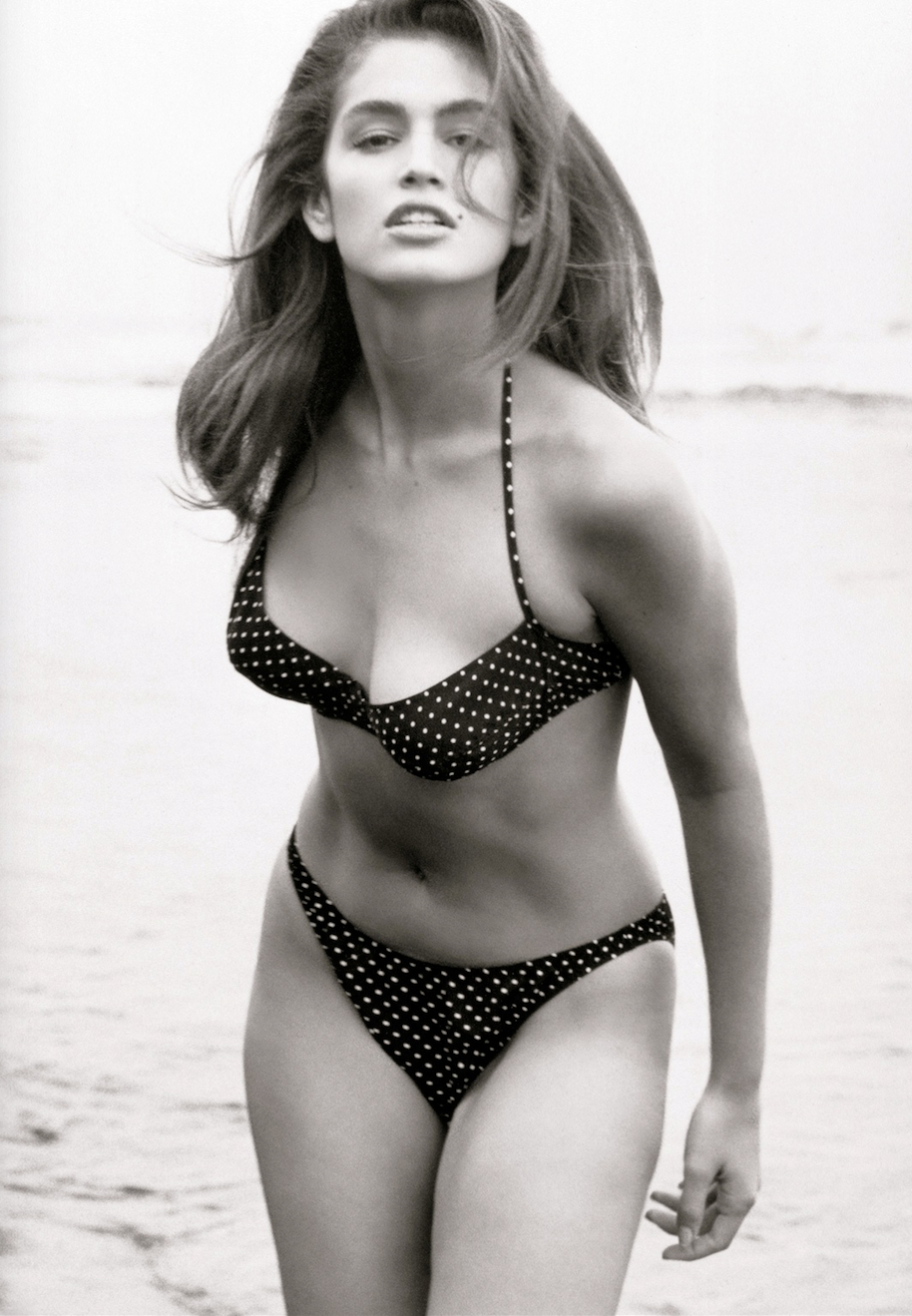
Then there’s Kate Moss. Mario Sorrenti’s Obsession ads became a generational mood. But Kate in Rick Owens’s Stooges jacket is a different story. The clothes become famous because of the photograph. Not the icon being documented, but the icon being manufactured. Herb Ritts and Cindy Crawford offer still another version. Not just erotic or celebrity, but constructing an ideal, athletic, sexual, polished, effortless Americana.
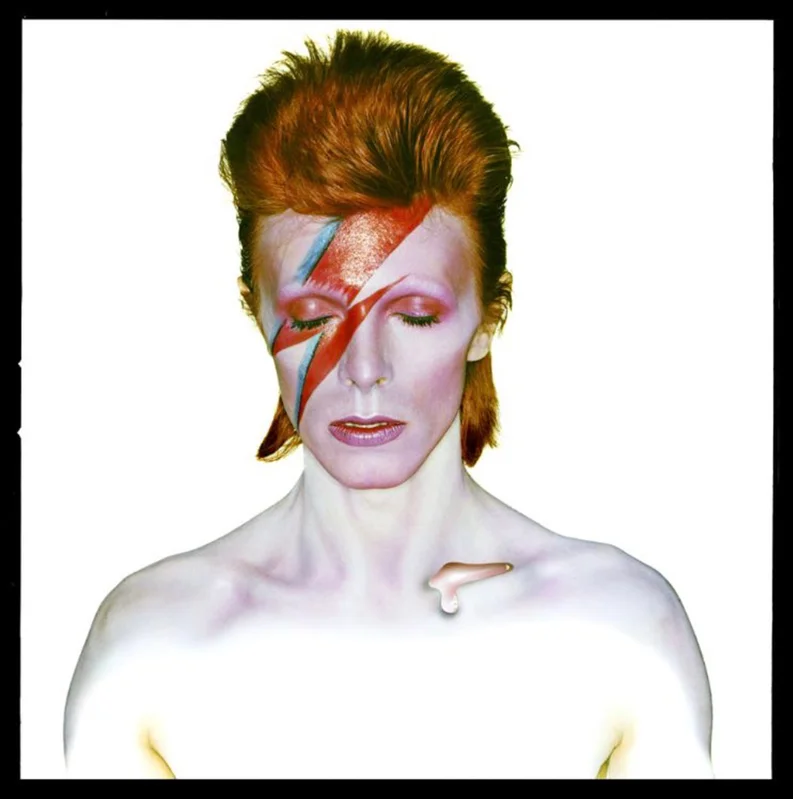
And if album covers qualify, as the Times‘s own terms allow, then Brian Duffy’s lightning bolt Bowie sits easily beside Wolfgang Tillmans’s quiet Frank Ocean for Blonde. One shows everything, the other withholds everything. Both invent a persona.
So maybe the question isn’t who’s left out, but what makes any of these a fashion photograph in the first place? Desire, commerce, fantasy, identity, or simply the strange power of an image to make us want to become someone we’ve never met.