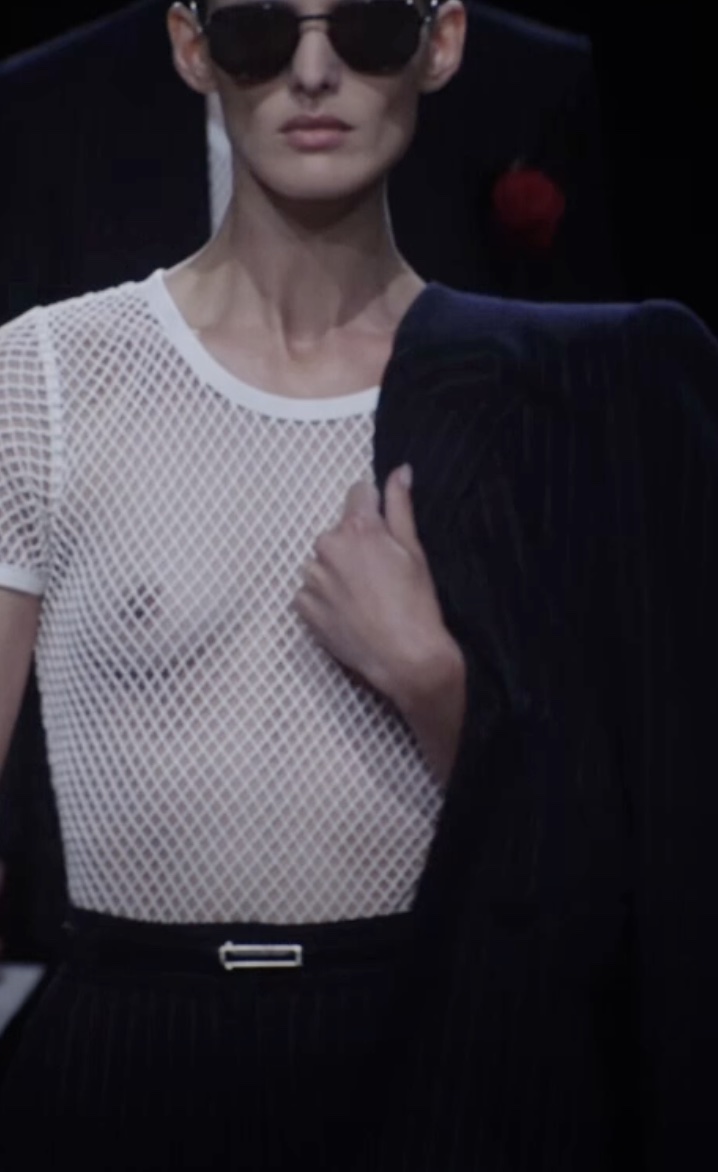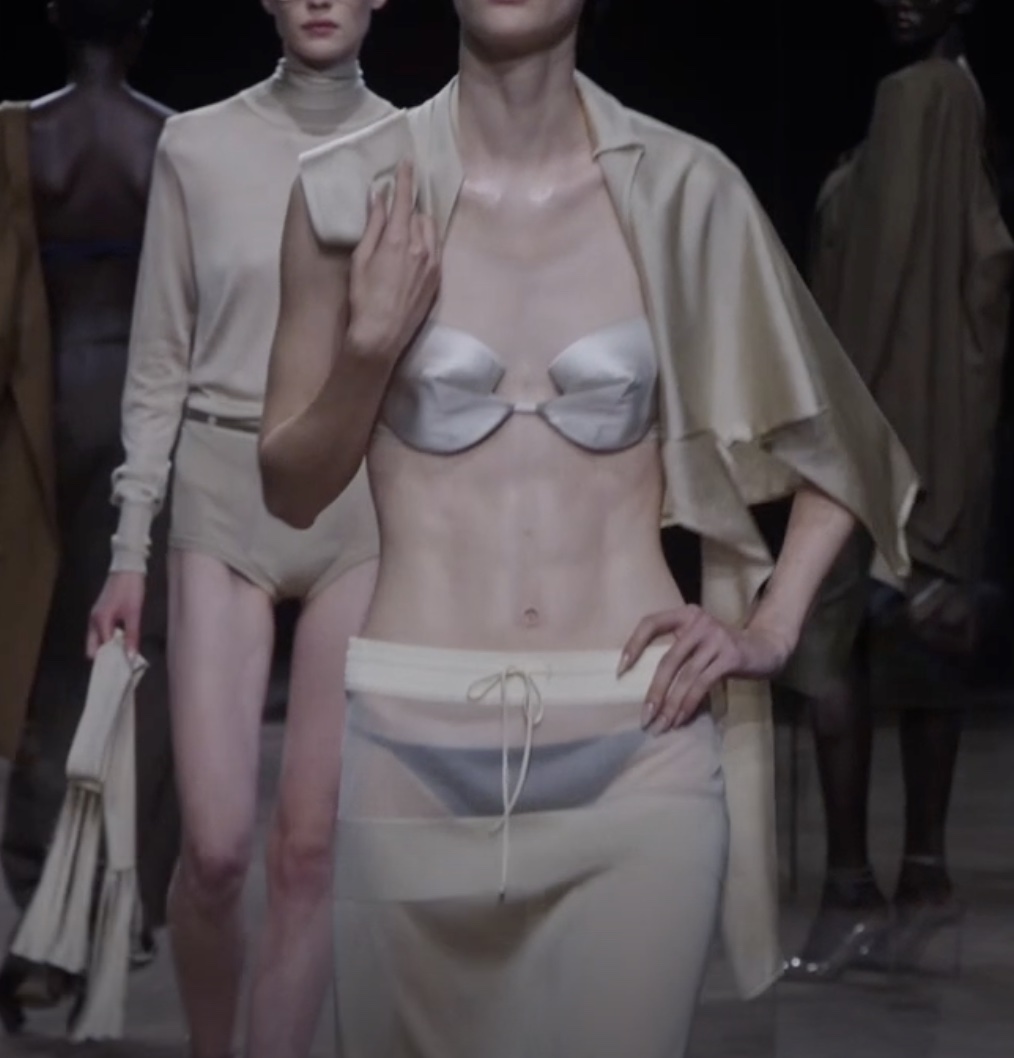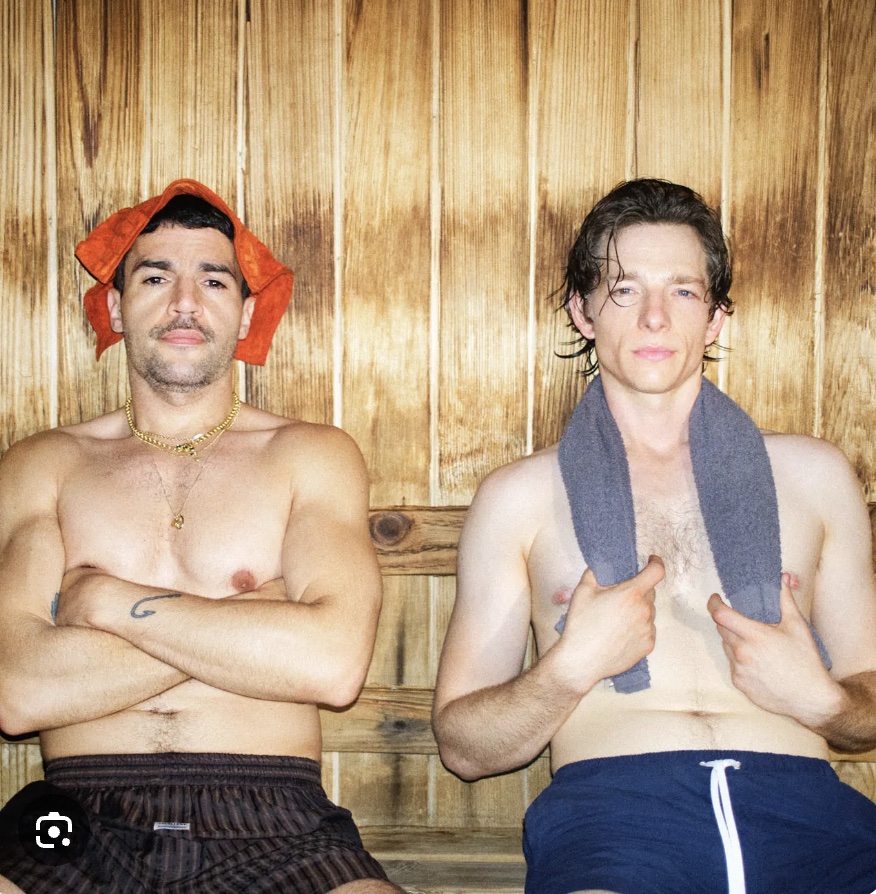
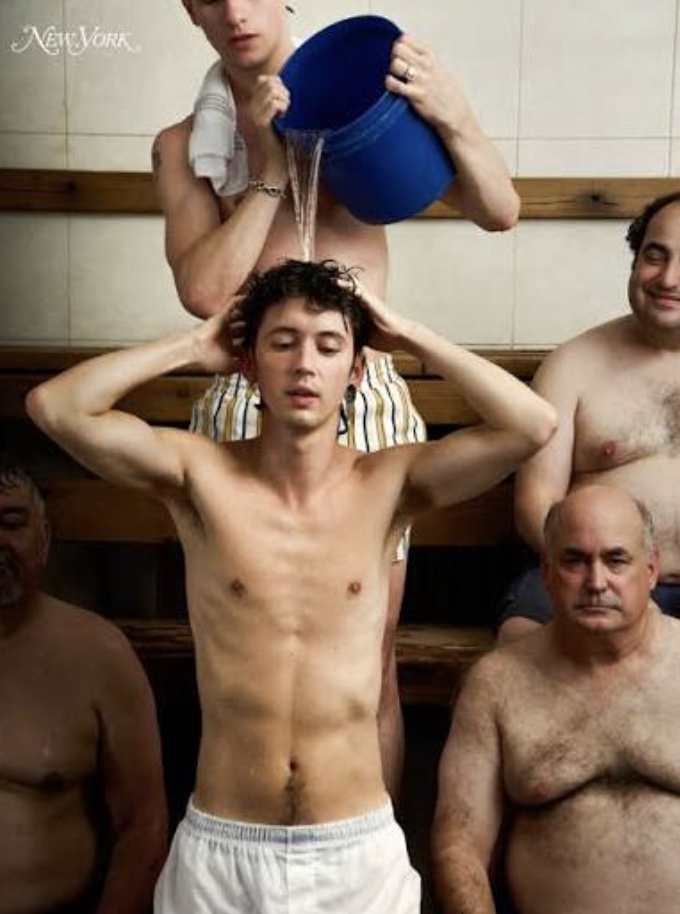
On September 30th, Jacob Gallagher noted from Paris Fashion Week that the image people couldn’t stop talking about wasn’t a runway at all. It was New York Magazine’s men’s style issue, shot by Ryan McGinley. And Gallagher’s provocation was that fashion itself seems starved for provocation. That same day, Haider Ackermann’s Tom Ford show complicated that exact frame. His ready-to-wear collection for Spring/Summer 27 was filled with exposed skin. Bare chests under tailored jackets, a pale pink thong under cashmere, slipping evening dresses exposing bras – all the classic ingredients of provocation. But Ackermann rejects that word. He talks about freedom, risk, danger. And that distinction matters. Because maybe fashion doesn’t have a provocation problem; we have that in abundance. Nakedness. Transgression. Maybe what we lack is tension. The friction between control and slip, good taste and bad. Seduction is harder because it can’t just announce itself. It makes you lean in. That’s the old electricity of Tom Ford, really – elegance pushed just close enough to indecency that you feel the heat of it. Not shock, but a kind of taste that risks its own opposite. We have enough things asking us to look, but not enough that make us want. Not enough that leave us deliciously uncertain. Maybe that’s the shortage. Not provocation, tension.